Wingfoil Corsica: Spots, Wind & Seasons
The wingfoil guide to Corsica: where the Libeccio and Mistral fire, the flat lagoons for learning, and the best months to go. Real spots, honest conditions.
WINGFOIL · FRANCE · FLAT & CHOP · ALL LEVELS · BEST MONTHS MAY, JUNE, SEPTEMBER, OCTOBER
Corsica is one of the most underrated wingfoil destinations in the Mediterranean. The island sits in the path of the Libeccio and the Mistral, and the Strait of Bonifacio between Corsica and Sardinia works like a funnel that turns ordinary breeze into a reliable, sailable wind. You get turquoise flat water lagoons for your first gybes and open, wind blasted gulfs for the days you want to send it. The catch worth knowing up front: forecasts here lie. The channeling and the summer thermals mean a spot can be lit when the app says nothing, and dead when it promises 25 knots. This guide walks through the wind, the spots region by region, the seasons, and where to get lessons or a rental.
In this guide: the popular spots, best spots to learn, wave spots, the east coast, seasons, schools and rental, the winds, and a short FAQ.
Quick glance
| Best for | All levels. Flat lagoons for beginners, deep gulfs and chop for advanced. |
| Wind season | April to October, with May to June and September to October the sweet spots. |
| Water type | Flat lagoons in the south; chop and small waves on exposed coasts. |
| Typical wind | Libeccio (SW) and Mistral (NW to W), plus summer thermals. Most spots ride best at 15 to 25 knots. |
| Where to start | The Strait of Bonifacio cluster in the far south. Filter the map by water type and wind direction. |
The wind
Two named winds do most of the work in Corsica.
The Mistral (the Italians call it Maestrale) comes from the northwest. It clears the sky, dries the air, and delivers fast, taut riding. In the Strait of Bonifacio it regularly pushes past 30 knots in the middle of the channel. Near the cliffs it arrives gusty and unpredictable, so respect it and rig down when it builds.
The Libeccio comes from the southwest. It is the warmer wind, and it gets a real kick from the jet effect squeezing between Corsica and Sardinia. This is the wind that makes the southern spots so consistent.
Then there is the part most forecasts miss: thermals. Every Corsica spot in the Gusty database is flagged as thermal, and for good reason. On sunny summer days the land heats up and pulls in an afternoon sea breeze that fills in around lunchtime or later, perfect for learning and relaxed freeride. If you only read the gradient forecast, you will write off days that turn out very rideable. A useful local trick: when a strong wind is forecast, the afternoon before is often the better session, especially around Tonnara.
Honest note on the off days: the wind is not on every morning. Mornings are frequently calm, the strait can shut down for days when the pressure pattern goes flat, and August brings light winds and big crowds together. Plan around afternoons, and keep a flat water plan B for the no wind mornings.
The most popular spots: Strait of Bonifacio
Corsica's wind concentrates in the far south, around the Strait of Bonifacio. This is where you should base yourself for a wind focused trip. The spots sit close enough together that you can chase the day's conditions in a short drive.
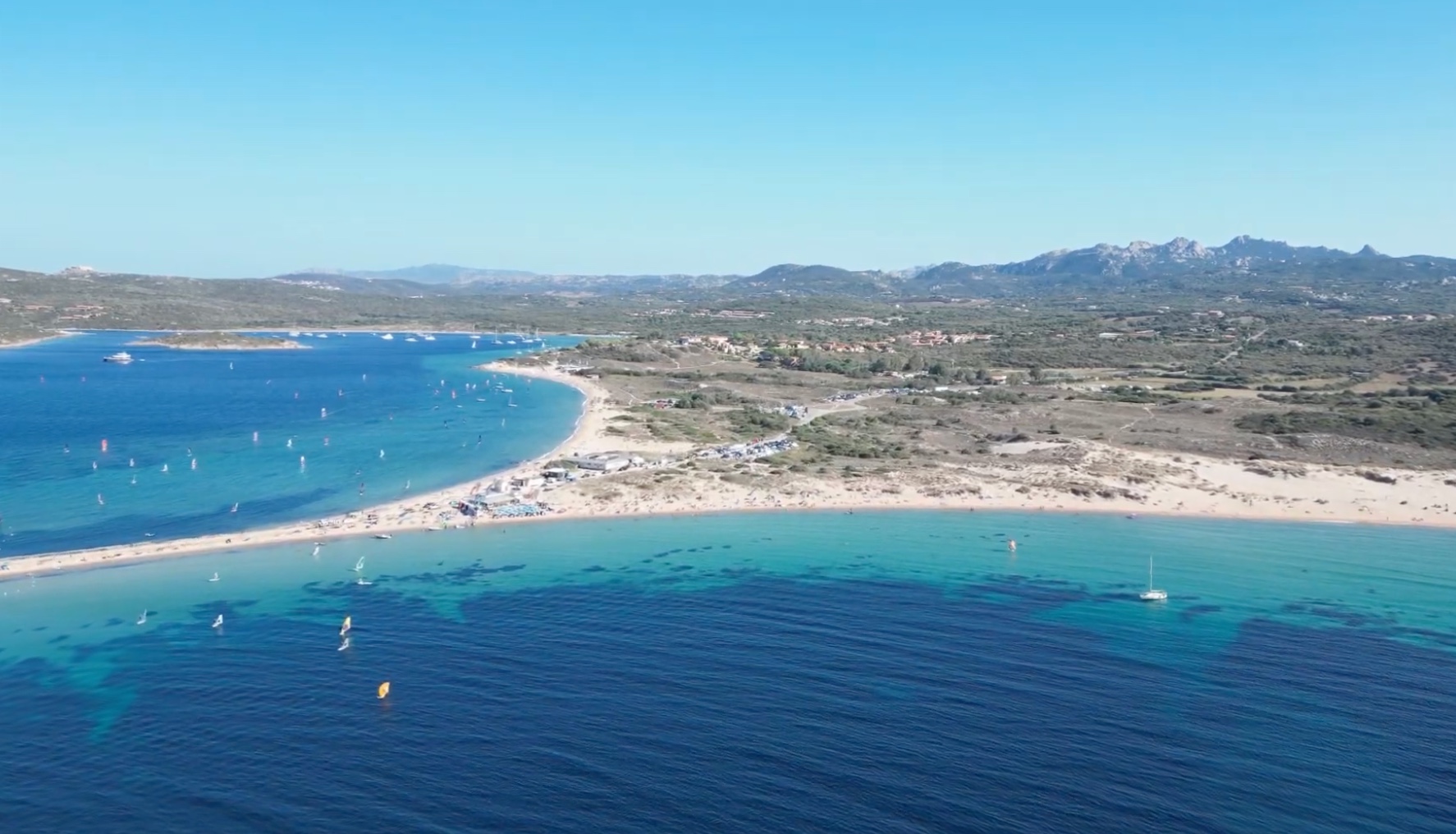
Plage de Piantarella
The famous one. A shallow, white sand lagoon with flat inner water that suits beginners, and open sea just beyond for riders who want something technical. It works on westerly and easterly wind, which is part of why it is so reliable. The downside is obvious in July and August: it gets packed, parking fills early, and the inner lagoon is shallow enough that you can clip the bottom with your foil. Go early, or go in the shoulder season. Lessons and rental on or near the spot come from Bonifacio Windsurf, Corsica Kiteboarding, Corsica Kite Wing Academy and Tam-Tam Surf Shop.
Balistra
The wild and flat option, a short drive northeast. Sandy bottom, shallow, incredibly flat even when it is honking, which makes it a freestyle playground. The wind is usually offshore and westerly and it can be strong, so the safety picture splits by level. Beginners are fine close to the beach where it stays gentle. Strong intermediates who hold upwind have a huge open area to work with. The trap is the rider who can plane but cannot reliably get back upwind in offshore wind, so be honest about your upwind before you commit. Schools working this beach and the wider Porto-Vecchio area include Nustrale Ride, Sud Glisse and Lolly Loops Wind Club.
La Tonnara
The advanced spot, west of Bonifacio, opening onto the Gulf of Ventilègne. Deep water, the strongest wind of the cluster, and choppier than the flat lagoons. Not a true wave spot, but the chop is fun to ride and jump. It works on both westerly and easterly wind with different launch points: start from Tonnara beach on a westerly, and from the Chez Marco end on an easterly. When it switches on it often builds through the afternoon and holds late for long sunset sessions. Corsica Kiteboarding is based at the Ventilègne spot.
Best spots to learn
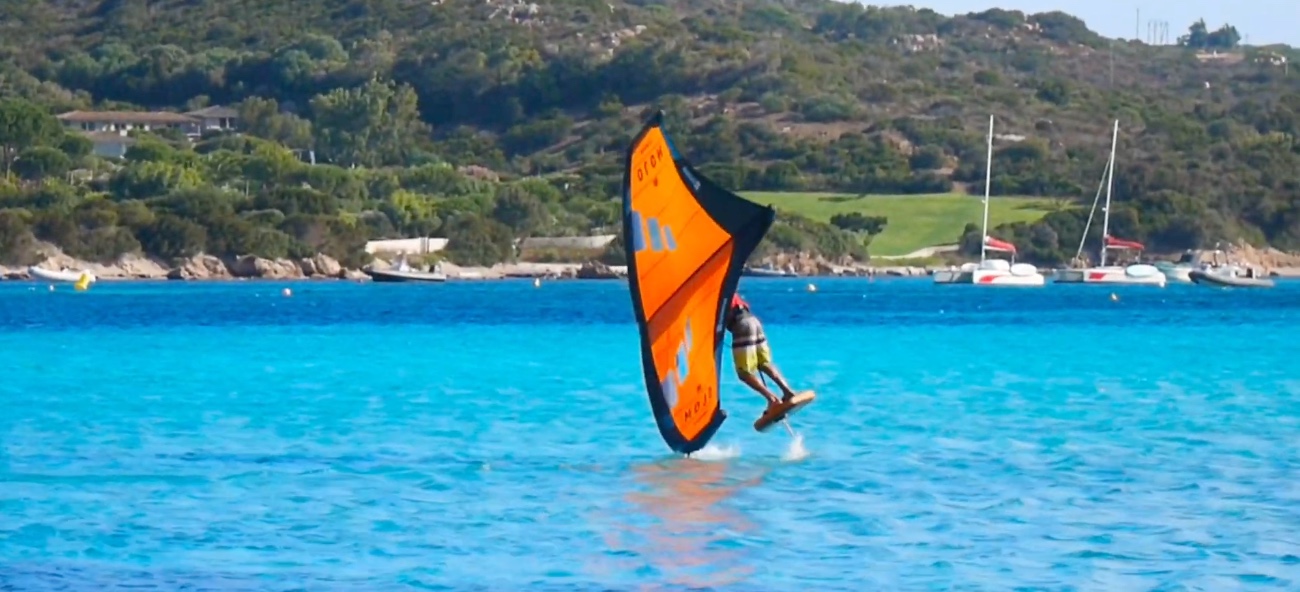
Corsica's southern lagoons are genuinely good places to log your first hours. Flat, shallow, and serviced by schools.
Baie de Figari
The safe, friendly bay. Wide, easy to access, and sheltered enough for beginners and intermediates inside, with the option to head out of the bay for stronger wind and more room once you are confident. It takes wind from several directions (E, NE, W, SW), so it catches days other spots miss. A good base when Piantarella is too crowded. Eole Figari runs lessons, rental and a shop right here.
Plage de Sant'Amanza
A broad gulf you can ride across in most directions, and the classic local board sports bay. It fills fast and parking is tight, but you can launch from several beaches around the gulf. The wind here is often lighter than at Tonnara, which makes it a calmer choice for early intermediates building confidence. When the flat inner water is on, it is a fine place to work on your first gybe.
Wave spots
When the swell and wind line up, two spots turn the wing into a surf tool.
Capo di Feno
The wave option near Ajaccio. When the westerly is in, the beach turns into a proper surf spot and you can ride waves on the wing, or surf foil if that is your thing. It is an advanced spot in those conditions, and calm enough for a flat cruise when the swell drops. Note the season: this one fires more in the shoulder months (March to May and September to November) when the fronts bring swell.
Algajola
The north's wave spot, in Balagne, on the Plage d'Aregno. It works on west, northwest and north wind and offers chop and waves. Worth a real caveat from riders who have been: the north can sit windless while the south is firing, so treat Algajola as a bonus when a northerly swell and wind line up, not a reason to base yourself up here. Algajola Sport et Nature teaches wing on site.
The east coast
Solenzara
A dependable southerly thermal that often fills in around 5pm in summer, with the water deep enough off most of the beach that you are not scraping the bottom. It works on south, southeast and east wind, which makes it the natural east coast option and a handy first or last stop if you arrive by ferry into Bastia and ride your way south.
More spots on the island
Corsica has good water beyond the eight spots above. Santa Giulia near Porto-Vecchio is a translucent, flat, very shallow beginner bay on a northeasterly. Gulf of Calvi in the northwest suits freeride and freestyle under the citadel. Pinarello and Golfo di Sogno are quieter Porto-Vecchio bays, and Ghisonaccia is a long, flexible east coast beach. These are not on Gusty yet, so they are not linked here. Once they are added, this guide gets updated with their spot pages and videos.
Seasons: when to go
Spring (April to June) is arguably the best window. The wind is frequent, around 60% of days in the Bonifacio area blow over 12 knots in spring and autumn, the beaches are still quiet, and air sits in a comfortable 20 to 25°C. Water is cooler, around 20°C, so a light wetsuit earns its place.
Summer (July to August) brings the warmest water, up to 25°C and swimsuit only riding, plus the reliable afternoon thermals that make learning easy. The trade off is crowds, full car parks, and lighter gradient wind. Ride early afternoons, base yourself near your launch, and accept the famous lagoons will be busy.
Autumn (September to October) is the other sweet spot. Crowds thin out, water is still warm from summer, and the returning Atlantic fronts make the Mistral stronger and the sea livelier. This is also when the wave spots like Capo di Feno come good.
Winter is rideable on its day, with mild air that rarely drops below 9°C, but the Mistral comes through hard and the sea gets rough, so it is for committed, experienced riders with the right kit.
A reasonable kit starting point here is a 5m wing, dropping to 4m when the Mistral or a strong Libeccio is on. Pack a smaller wing for Tonnara or for chasing the strait in autumn.
Schools and rental
All of these are verified wingfoil services on Gusty. Lessons and rental concentrate in the south, which is also where the wind is.
In the Bonifacio and Strait area: Bonifacio Windsurf (lessons, rental, at Piantarella), Corsica Kiteboarding (lessons, rental, Ventilègne), Corsica Kite Wing Academy (lessons), Tam-Tam Surf Shop (shop, rental) and Eole Figari (lessons, rental, shop, at Figari).
In the Porto-Vecchio area: Nustrale Ride (lessons, rental), Sud Glisse (lessons, rental), Lolly Loops Wind Club (lessons, rental, Lecci), Alizé Surfshop (shop, rental) and Club Nautique de Santa Giulia (lessons, rental).
In the north (Balagne): Algajola Sport et Nature (lessons, rental).
The winds, in short
Mistral / Maestrale (NW to W) is the powerhouse, strongest in spring and autumn, funnelled and accelerated through the Strait of Bonifacio. Libeccio (SW) is the warmer wind that gets the Venturi kick between Corsica and Sardinia and drives the southern spots. Thermal breeze fills in on sunny summer afternoons and rescues days the gradient forecast writes off. Easterly and northeasterly wind opens up Piantarella, Figari and Sant'Amanza from the other side.
FAQ
What is the best month to wingfoil in Corsica?
May to June and September to October give the best mix of frequent wind, warm enough water, and smaller crowds. July and August are warmest and the thermals are reliable, but the lagoons are busy.
Is Corsica good for beginners?
Yes. Piantarella, Baie de Figari and Sant'Amanza in the south are flat, shallow and serviced by schools. Watch for offshore wind at Balistra and shallow sandbanks in the lagoons.
Do I need my own gear?
You can rent. Multiple schools in the south carry wing and foil rental fleets, which saves the airline baggage hassle. The ferry into Bastia is the easy way to bring your own quiver.
Plan your trip
Start in the far south. Learn at Piantarella, Figari or Sant'Amanza, progress through Tonnara, and save Balistra for when your upwind is solid. When you are ready to work on tricks, the flat water at Balistra is the place to nail your gybe and first jumps. See every Corsica spot on the map and filter by wind direction and water type.
Written by
Reinoud
Wingfoiler, lifelong windsurfer and kiter and founder of GUSTY. Based in Muiderberg, on the water at Wijk aan Zee, Muiden, Almere Poort and all over Zeeland.
More about Reinoud →