Wingfoil vs Windsurf: How They Really Compare
Wingfoil and windsurf both turn wind into speed, but the equipment, learning curve and feel are worlds apart. Here's how to pick your sport.
Windsurfing has been turning wind into speed since the 1970s, and it's still one of the most satisfying sports on the water once you've got it dialled. Wingfoiling is the new arrival, built around a handheld inflatable wing and a hydrofoil, and it's pulled in a huge wave of new riders over the last few years, including plenty of windsurfers looking for something to do on lighter days. Neither one is the better sport. They just reward different things. Here's an honest look at what separates them.
Quick-glance comparison
| Wingfoil | Windsurf | |
| Best for | Fast learning curve, light wind, riders who want to be up and gliding quickly | Riders who enjoy technical sail trim, higher wind performance, wave and slalom sailing |
| Wind needed | From around 10 knots | Generally needs more consistent, stronger wind |
| Gear | Wing, foil board, hydrofoil | Board, mast, sail, boom, fin |
| Setup | Fast, inflate and go | Rigging the sail and mast takes longer |
| Feel on the water | Gliding, quiet, foil lifts you above chop | Planing on the surface, connected to the board through the sail |
| Where to start | Explore wingfoil spots | Coastal spots with reliable wind windows |
The case for wingfoiling
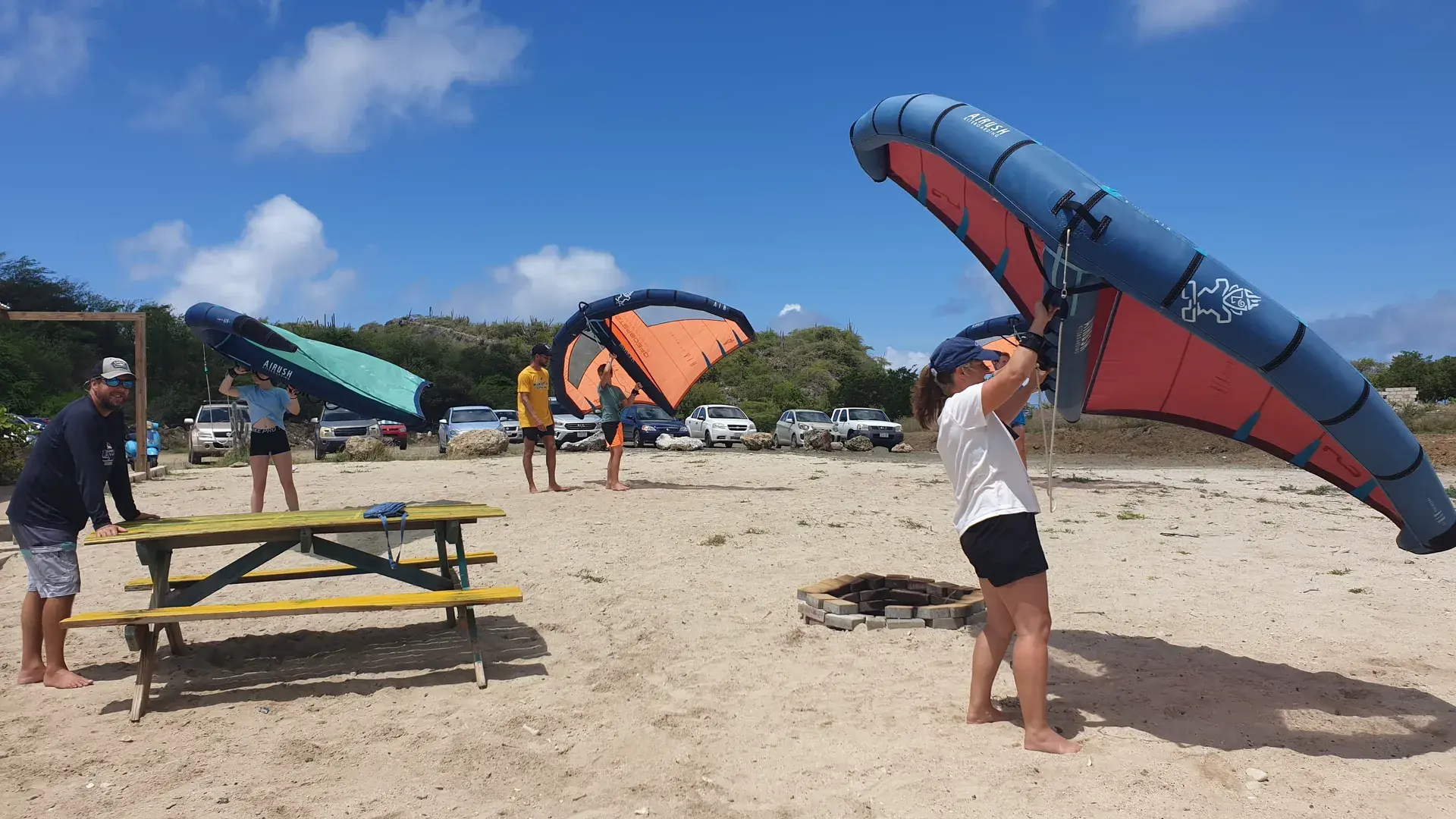
Wingfoiling's biggest advantage is how little gear stands between you and the water. There's no mast, no boom, no rigid sail. You grab the wing, hop on the board, and go. Because the wing is handheld and depowers instantly, it's less intimidating in gusty conditions than a fixed sail, and the whole kit packs down small enough to carry in one trip from the car.
The foil is what really changes the experience. Once you're up and riding, the board lifts clear of the water and chop stops mattering. It's a smoother, quieter ride than anything sitting on the surface, and it works in wind that would leave a windsurfer becalmed. That extended wind range is a big part of why so many riders, windsurfers included, have picked up a wing over the past couple of seasons.
Learning to wingfoil does mean learning to manage a foil, which takes some getting used to. Small shifts in weight get amplified, and your first foiling attempts will likely involve a few unexpected dips. Most people get comfortable with it faster than they expect, especially with a few lessons to build the basics on land first.
The case for windsurfing
Windsurfing rewards technique in a way that's hard to replicate anywhere else. Sail trim, footwork, and reading the wind all come together, and once you've got the fundamentals, the ceiling is enormous: freestyle tricks, wave riding, slalom speed. It's a sport people stay obsessed with for decades, and for good reason.
It also handles strong wind exceptionally well. Where a wingfoiler is managing a handheld wing in gusts, a windsurfer is locked into the sail through the boom, using body weight and sail angle to stay in control. For riders who love powered up, planing conditions, that connection between rig and board is hard to beat.
The learning curve is steeper at the start. Rigging a mast, boom and sail takes longer than unrolling a wing, and balancing on the board while managing the sail simultaneously asks a lot of new riders in the first few sessions. But once it clicks, and it does click, most windsurfers will tell you the payoff is worth every early wobble.
Watch them side by side
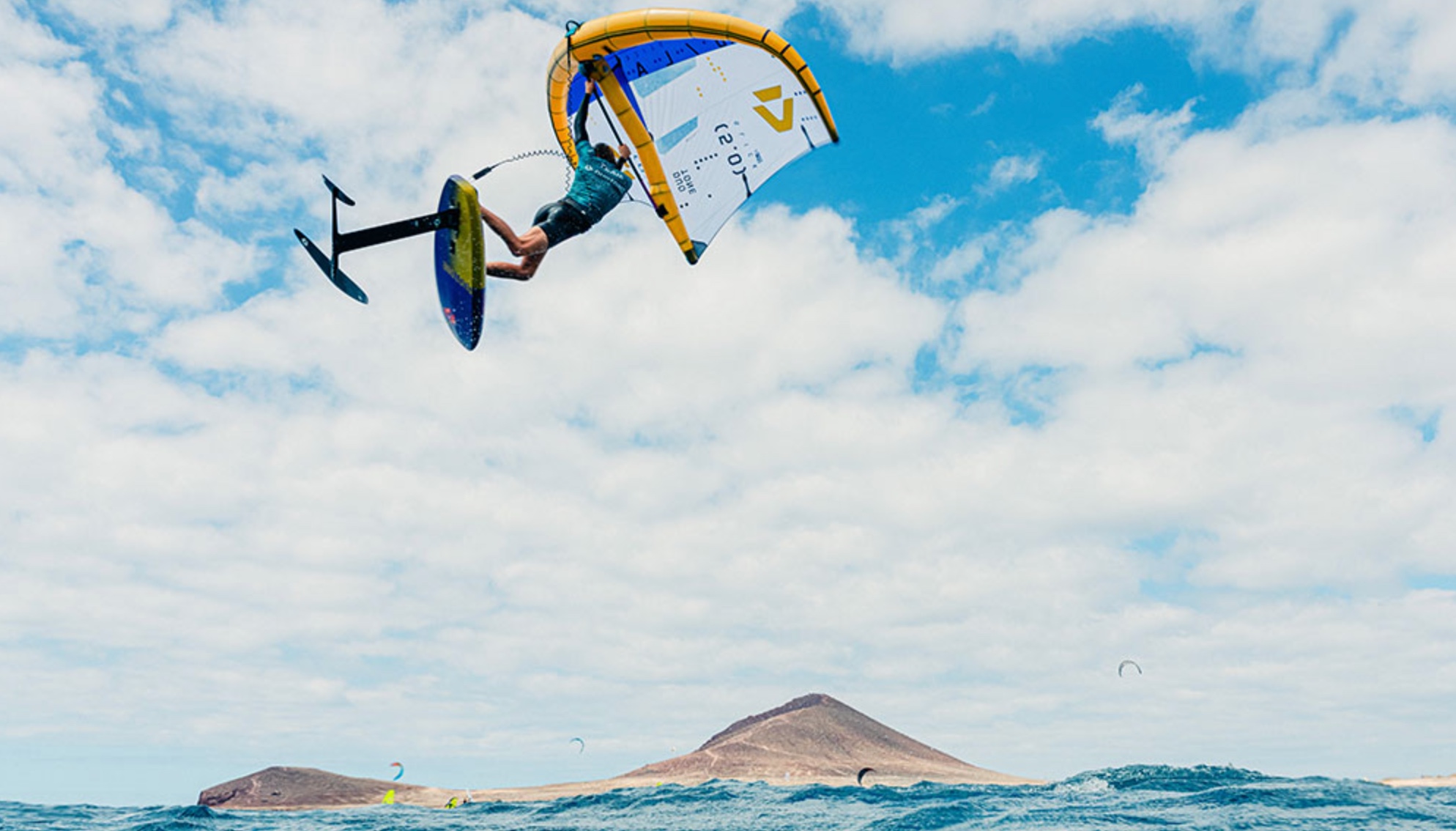
Wingfoiling in action. The board barely touches the water once the foil is flying.
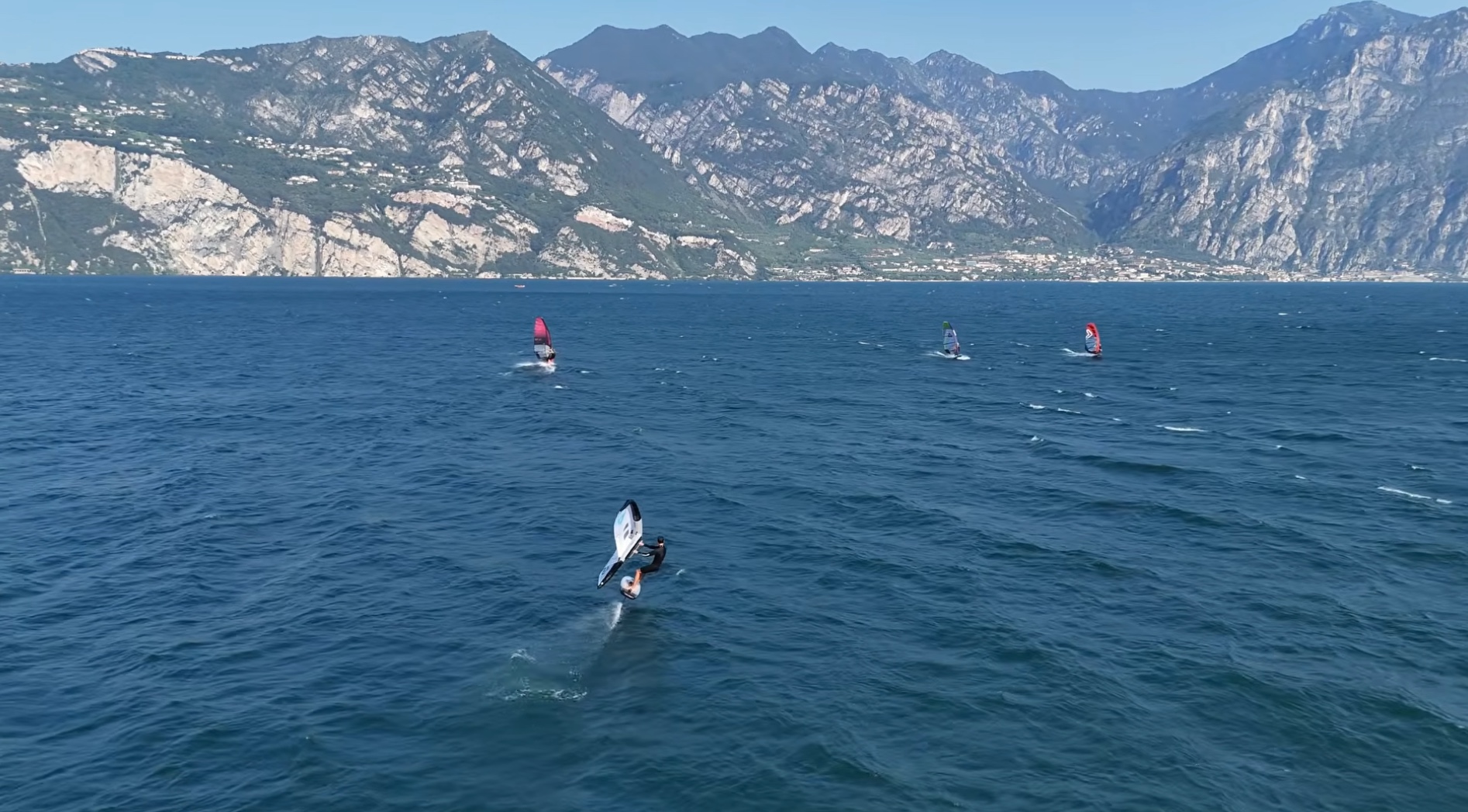
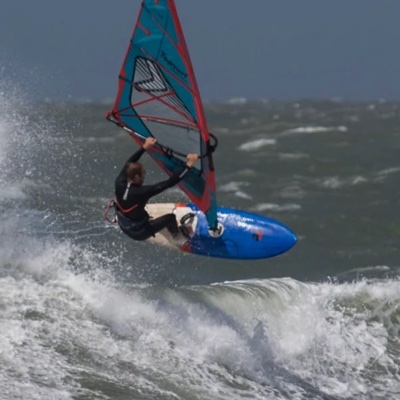
Windsurfing in stronger wind. That direct connection through mast and boom is what gives windsurfers such precise control.
Already windsurfing and curious about wingfoil?
Windsurfers usually have an easier transition than most, since board balance and reading wind are already second nature. The wing itself takes an hour or two to get used to, and from there the main new skill is the foil rather than anything about handling power. Plenty of windsurfers keep both in the car and pick whichever suits the day's wind and their mood.
Which one is easier to learn?
If you are deciding purely on how fast you get from zero to actually riding, wingfoiling tends to have the shorter curve. That is not the same as saying windsurfing is hard. It comes down to how many things you are managing at once. A wing is a single handheld object with two handles and it is not rigged to the board, so you can learn wing control first, entirely on land if you want, before you start worrying about balance. Windsurfing asks for sail trim, footwork, steering and balance from session one, all connected through a rigid mast and boom. That is genuinely more to juggle early on.
The wing also forgives more. It depowers the instant you ease your back hand, so gusts feel manageable rather than something you have to fight through. And because a foil needs comparatively little wind to lift once you are moving, you get usable days that would leave a windsurfer waiting on the beach. More days on the water is most of what learning any board sport comes down to.
None of that makes windsurfing the harder sport, just a different curve. The connection between rig and board through the boom gives a precision a handheld wing does not offer, and riders who push through the first few sessions often find their skills compound faster from there. Windsurfing also builds a base that carries into everything else on the water, so starting there is never a wrong move. Reckon on around ten days before you are planing, and that is when it gets properly exciting.
What actually makes the difference, whichever you pick
Instruction. A few hours with a qualified instructor, correcting your stance and timing before bad habits set in, beats self teaching by a wide margin in both sports.
Conditions. Flat water and steady, moderate wind make learning dramatically easier than chop or gusts, whichever sport you pick.
Right sized gear. A wing, board or sail matched to your weight and the day's wind removes a huge amount of unnecessary struggle.
Realistic expectations. Both sports have a real learning curve. Expecting to ride confidently in your first session sets you up for a frustration that has nothing to do with which sport you chose.
So which one should you learn?
If you want the fastest route to standing up and gliding, especially on lighter wind days, wingfoiling is usually the quicker win. If you love the idea of mastering a sail, chasing planing speed, and building toward wave or freestyle sailing over the years, windsurfing has depth that keeps giving back long after you've learned the basics.
Plenty of riders end up doing both. A wingfoil session on a light day, a windsurf session when the forecast turns on. They're different tools for different wind, not rivals.
Ready to see where you can try either one? Browse spots on the map and filter by wind direction and water type. Once you're comfortable on the foil, our tricks library walks through your first gybes and tacks step by step.
Frequently asked questions
Which is easier to learn, wingfoil or windsurf?
How much wind does each one need?
Can a windsurfer pick up wingfoiling quickly?
Is wingfoiling replacing windsurfing?
Written by
Reinoud
Wingfoiler, lifelong windsurfer and kiter and founder of GUSTY. Based in Muiderberg, on the water at Wijk aan Zee, Muiden, Almere Poort and all over Zeeland.
More about Reinoud →