Wingfoil vs Windsurf: Which Is Easier to Learn?
Both wingfoil and windsurf take practice, but one gets beginners up and riding faster. Here's what makes the learning curve different.
If you're deciding purely on how fast you'll get from zero to actually riding, wingfoiling tends to have the shorter learning curve of the two. That's not the same as saying windsurfing is hard or not worth learning, plenty of people find their rhythm with a sail faster than expected too. This article focuses specifically on the easier to learn question, piece by piece, so you can judge for your own situation rather than take a generic answer at face value.
Quick-glance answer
| Wingfoil | Windsurf | |
| Equipment to manage while learning | Wing, board, foil (3 pieces, none rigged together) | Board, mast, sail, boom, fin (rigged as one unit) |
| Skills to learn at once | Wing control, then foil balance in stages | Sail trim, board balance and steering, often together |
| Forgiveness in gusts | High, wing depowers the instant you ease it | Lower, sail stays powered until you actively adjust it |
| Wind needed to get going | From around 10 knots | Generally needs more consistent, stronger wind |
| Where to start | Explore wingfoil spots | Coastal spots with reliable wind windows |
Why wingfoiling tends to feel easier at first
The core reason comes down to how many things you're managing at once. A wing is a single handheld object with two handles. You're not rigging it to the board, and there's no boom or mast to hold your body in a fixed position relative to the rig. That separation means you can focus on wing control first, entirely on land if you want, before ever worrying about board balance.
Wind forgiveness matters too. A wing depowers the instant you ease the back hand, which means gusts feel manageable rather than something you have to physically fight through. That single feature removes a lot of the anxiety that trips up first timers on windier days.
And because a hydrofoil needs comparatively little wind to lift once you're moving, wingfoiling opens up on days that would leave a windsurfer stuck waiting on the beach. More usable days generally means more practice, and more practice is most of what learning any board sport comes down to.
None of this means wingfoiling is effortless. The foil itself takes real practice, and most beginners spend their first few sessions getting used to how sensitive it is to weight placement. But the sequence, wing first, then foil, tends to feel more manageable than learning sail trim and board balance simultaneously.
Why windsurfing isn't the harder sport, just a different curve
Windsurfing asks you to learn several things at once from session one: sail trim, footwork, steering and balance, all connected through a rigid mast and boom. That combination is genuinely more to juggle early on, and it's fair to say most people need more sessions before they're consistently planing.
But that steeper start comes with a payoff. The connection between rig and board through the boom gives you a kind of direct, precise control that a handheld wing doesn't offer in the same way. Riders who push through the early sessions often find their skills compound faster from that point on, since sail trim and board control are more tightly linked than wing control and foiling are.
It's also worth saying plainly: windsurfing is not objectively too hard. Thousands of people learn it every year, including complete beginners with zero board sport background. It simply asks for a bit more patience in the first handful of sessions before things click. We also see that people who started windsurfing have the right base to do the other watersports. Its not dangerous, you get good balance. So starting with windsurfing is never a bad idea.
What actually makes the difference, regardless of sport
A few things speed up progress no matter which one you choose:
Instruction. A few hours with a qualified instructor, correcting your stance and timing early, consistently beats self teaching by a wide margin in both sports.
Conditions. Flat water and steady, moderate wind make learning dramatically easier than chop or gusty conditions, whichever sport you pick.
Right sized gear. A wing, board or sail matched to your weight and the day's wind removes a huge amount of unnecessary struggle.
Realistic expectations. Both sports have a genuine learning curve. Expecting to be riding confidently in your first session sets you up for frustration that has nothing to do with which sport you chose.
Watch them side by side
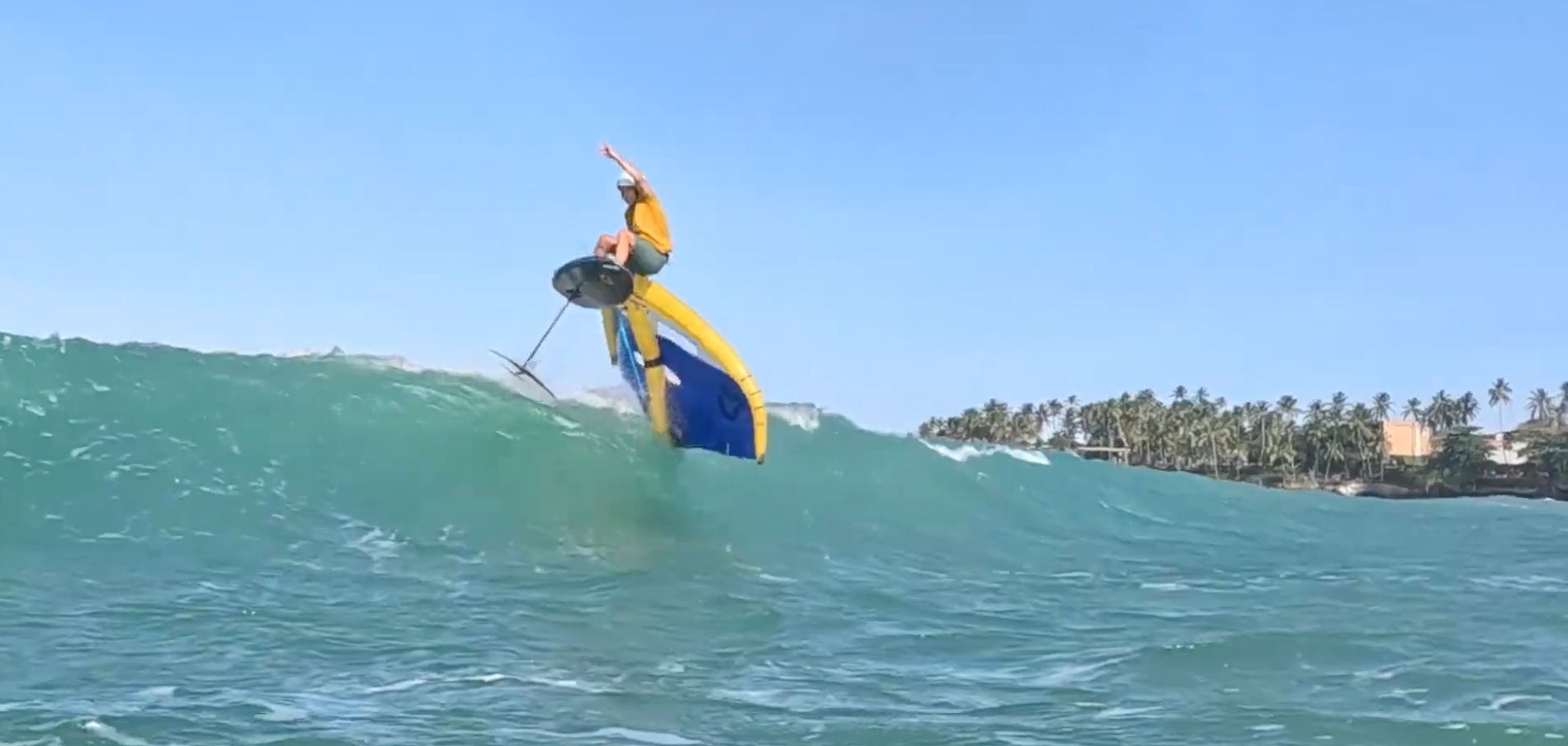
This is a good video that explaines the steps to follow to start wingfoiling
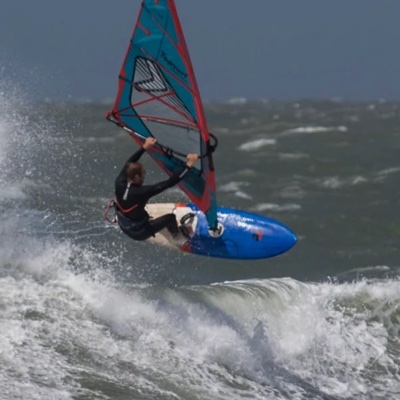
Windsurfings first steps. Its not hard to start going, but getting the exiting level will take you quite a few hours on the water. Lets say in 10 days with a bit of talent you will be able to plane (go fast). Thats when the real exitement starts!
The honest verdict
For a true beginner prioritising speed to first rides, wingfoiling usually wins on ease of learning, mostly because it lets you tackle wing control and foil balance in separate stages rather than all at once. For a beginner who's excited by the idea of mastering a sail and doesn't mind a longer runway before things click, windsurfing rewards that patience with a sport people stay passionate about for decades.
If you want the fuller picture beyond just which is easier, our general wingfoil vs windsurf comparison covers gear, cost and feel on the water in more depth. And if you've settled on wingfoiling, our breakdown of how hard wingfoiling really is to learn walks through a realistic session by session timeline.
Ready to get started? See every wingfoil spot on the map and find the conditions that fit your first sessions.
Written by
Reinoud
Wingfoiler, lifelong windsurfer and kiter and founder of GUSTY. Based in Muiderberg, on the water at Wijk aan Zee, Muiden, Almere Poort and all over Zeeland.
More about Reinoud →